

When a vehicle is damaged or unexpectedly breaks down, it comes at a significant cost. By following car maintenance tips, you can save money, time and stress by addressing small issues ahead of time.
With a regular car maintenance checklist, you can routinely catch any minor problems and resolve them quickly, often on your own. Here are the 10 most important areas of your vehicle to keep an eye on, with helpful car maintenance tips that ensure a smoother ride.
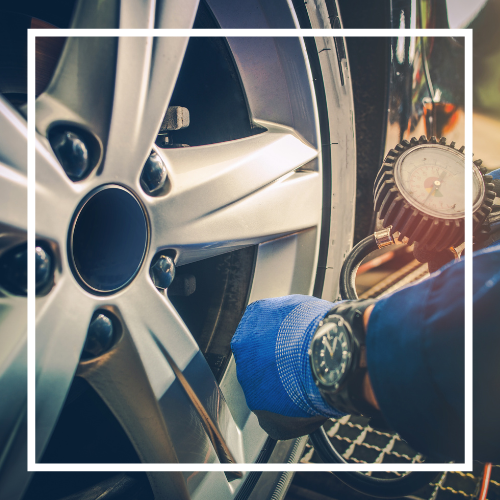
#1. Maintain Your Tires
Tire maintenance is essential for good grip on the road and efficient fuel usage. Start by monitoring your car tire pressure. Can use your car’s built-in pressure monitor that keeps track of your tire’s air, or purchase a separate gauge that attaches to the valve stem of a tire.
Refer to your car’s PSI rating, usually found in the owner’s manual or on a driver’s door sticker. Keep your spare tire inflated as well to avoid a costly tow, a significant expense for those who don’t have AAA roadside assistance.
Regularly inspect your car’s tread depth, keeping an eye out for uneven wear patterns. Your tires will need replacement at a tread depth of 4/32 of an inch. You can measure this with a tread depth gauge or a penny. Place the coin head down in the tread’s groove, and if the tire covers the head, your tires still have decent road grip.
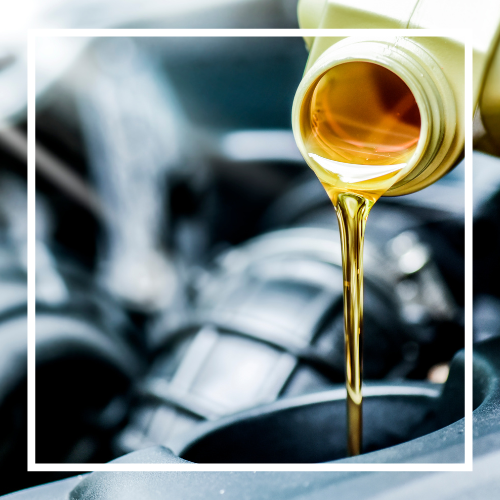
#2. Change Your Oil
Changing your oil helps keep your engine lubricated, cools it down, protects it from rust and cleans away byproducts like dirt and metal shavings. If you don’t regularly change your oil, your engine could overheat, and you risk damaging the pistons and bearings. These costly damages could cost thousands of dollars, and according to AutoNation, the replacement cost for pistons can be as high as $2,730.
You can change your oil and filter yourself if you’re car-savvy, or bring your automobile into a nearby facility. Since oil replacement depends on the length of time and car usage, it’s helpful to check it yourself. Park your car on a level surface, keep the engine off and find the dipstick under the hood. Remove it, wipe it and reinsert the stick. Pull it out again and check the oil fill’s height. If it is at or under the minimum oil mark, it’s time to add more.
💧 AAA Members Save at Jiffy Lube (Southern Idaho) and Valvoline (Oregon)
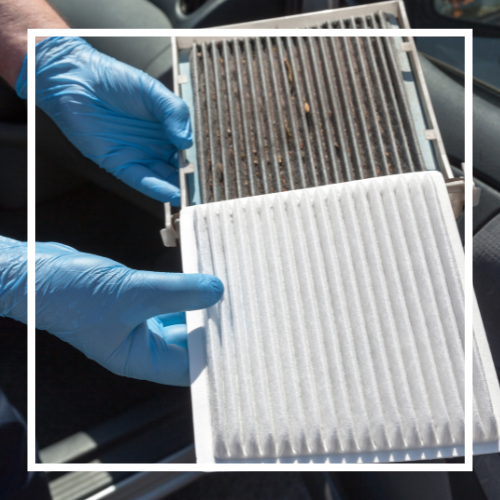
#3. Check Your Air Filters
Drivers must maintain two filters. The engine air filter blocks sand, debris and dirt from the car’s combustion system. If the filter is clogged, the engine has to work harder, and fuel won’t burn as efficiently, which reduces acceleration speeds.
Cabin air filters are designed to filter out pollen, pollution and dust before it enters your car’s interior. When the filter is fully saturated, it strains your cooling and heating system and may bring musky odors into the cabin. You can check both of these filters by removing them and holding them up to a light source. If no light passes through, it’s time for a replacement.
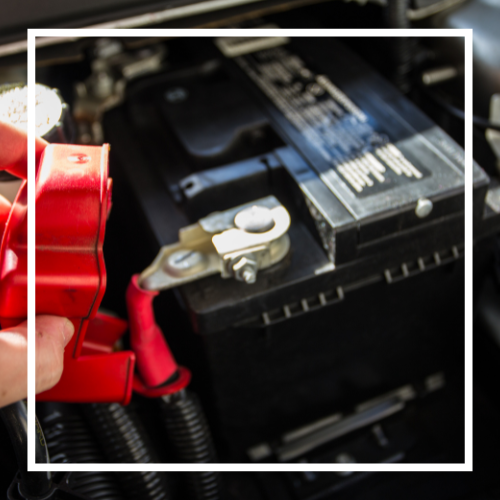
#4. Clean and Test Your Battery
The car battery powers the vehicle’s ignition and electrical system, so it’s essential to keep it functioning correctly. The first step is to keep the battery clean. Over time, sediment and corrosion build up on the terminals, the metal posts that connect your battery to cables. This material stops the flow of electricity, which can weaken the battery.
You can clean any build-up off the terminals by carefully cleaning each node with a mixture of water and baking soda. Make sure to use gloves and protective eyewear if you’re doing it yourself. Many auto stores, including AAA Approved Auto Repair stations, can check your battery health free of charge. With regular car battery maintenance, you can expect your battery to last between three and five years.
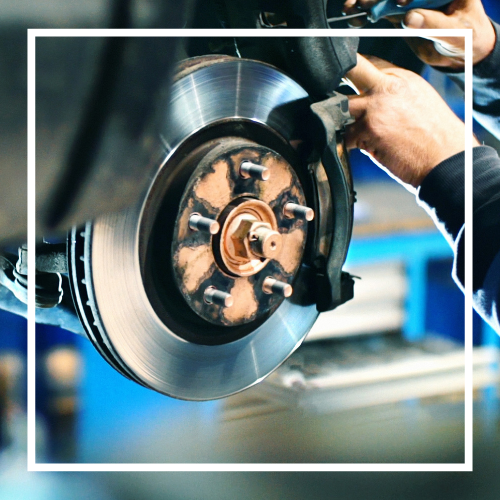
#5. Check Your Brakes
Brake pads slow down your car’s wheels by pressing against rotors, the round metal discs that are connected to your wheels. The brake fluid adds force and ensures a smooth brake when you press down on the pedal. If your pads are too thin from wear, the rotors will be damaged from scraping. If your brake fluid isn’t properly filled or clean, your car may not brake as quickly.
In one Reddit thread, users shared various reasons for brake issues. Many users mention that their master cylinder blew out, caused by a leak or a break in a rubber seal that prevents it from leaking brake fluid. They cautioned that only skilled car owners should tackle the repair themselves and recommended a professional consultation.
You can check your brake pads by looking between your wheel spokes. If there’s a quarter inch or less of material, it’s time for a replacement. Have a professional auto servicer inspect the brake pad’s wear if you’re unable to locate it yourself. Check your brake fluid reservoir by finding it under the hood. Many have labels on them, so make sure the fluid is above the minimum line.
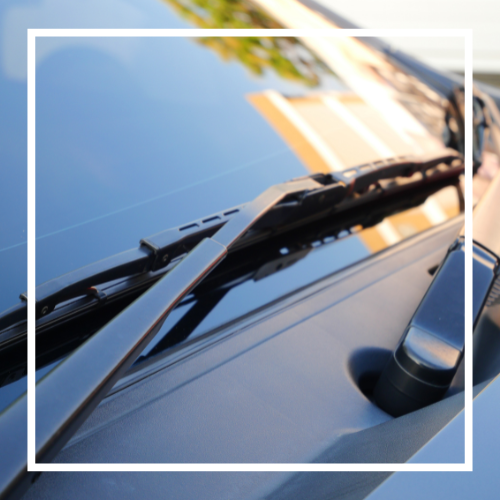
#6. Check Your Windshield Wipers
Since windshield wipers are smaller, external pieces of rubber, they will likely wear down faster than other car parts, especially when used frequently. They dry out and crack under the pressure of road debris, sun and snow. This can lead to smeary results, since the rubber isn’t flush to the surface of your window.
To replace your blades, start by checking your owner’s manual or asking a professional to ensure the right fit. Your new blades must match the length of your old ones for complete coverage. While conventional blades are best for everyday use, you can invest in all-season or heavy-duty variants for more durability. Blades easily snap on, and many auto shops are willing to install them if you buy the wipers on-site.
☔AAA members save on wipers with NAPA Auto Parts
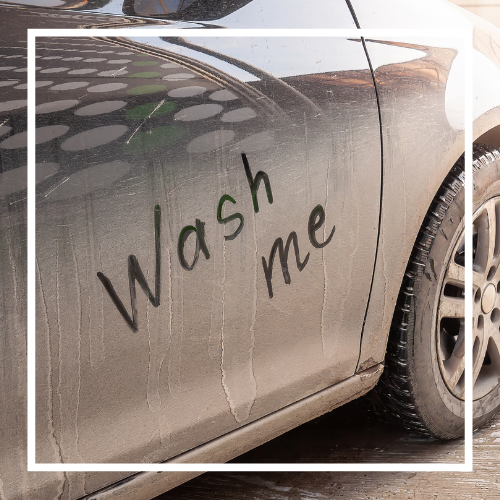
#7. Clean Your Car
Car cleanings are more than aesthetic , they also protect your car’s exterior parts. Salt from winter roads, sap, dirt and bird droppings can damage your vehicle’s paint and body over time. This could lead to a rusty undercarriage and corrosion, which will take more time and expense to repair than regular washings.
If your home is equipped with a hose, use it to rinse off debris about twice a month. Pair it with a car-safe soap, and dry your car with a microfiber towel. Don’t ignore the wheels and bottom of the car, where most dirt gathers. A drive-through car wash or power washer can help with deeper cleaning, and may be a good idea once a season.
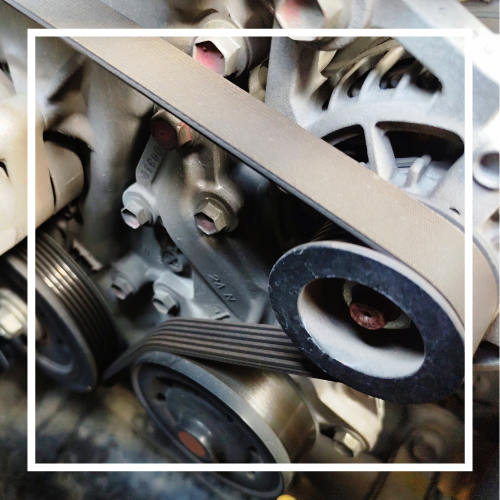
#8. Inspect Belts and Hoses
Your car’s belt, also known as the serpentine belt, operates the power steering, air conditioning, compressor and the alternator. Hoses keep fluids circulating through the engine. When a belt or hose cracks, your motor may overheat, which can lead to warped cylinders, blown gasket heads and a potential engine breakdown.
To check your belts and hoses at home, look under the hood. The serpentine belt runs along several pulleys and should be firmly secured, with no fraying edges or cracks. To ensure your hoses are in good condition, gently squeeze them and test for flexibility. If they are brittle or spongy, they may need to be replaced. Head to a mechanic for support and additional car care tips.
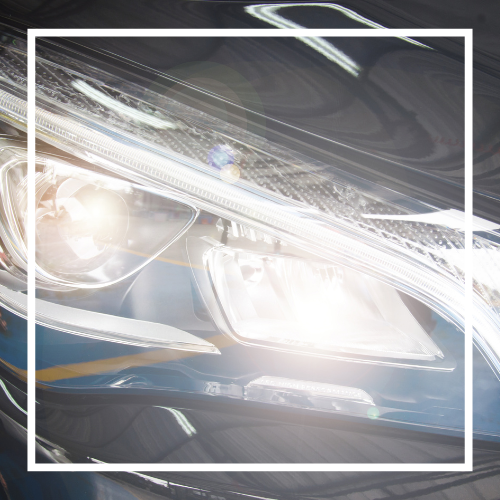
#9. Check Your Lights
Car lights help illuminate the road at night and also signal your stops and turns to others. When lights fail, you may experience reduced visibility, which can be particularly hazardous when driving at night. If your turn signals and brake lights don’t work, you risk an accident. Furthermore, you could be pulled over if a police officer notices that your light is out.
To check your lights at home, turn them all on, walk around your car and make sure everything is working. Notice if any lights seem dimmer than others, and ensure that you test your signals and brake lights as well, with the help of a friend or family member. If a bulb is burnt out, refer to your owner’s manual for the correct part, or go into an auto parts store for a consultation.
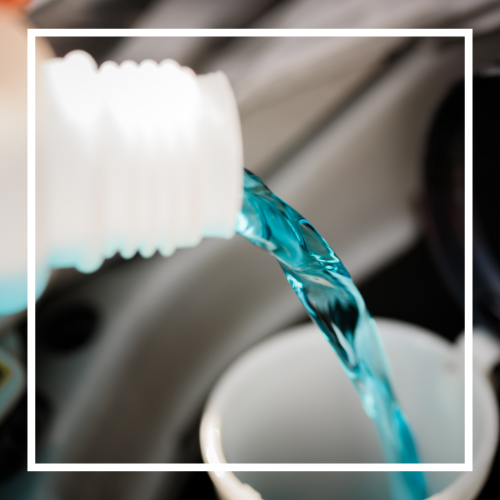
#10. Check Key Fluids
A vehicle’s fluids primarily lubricate parts, control the temperature and help to transfer power. If you are low on a fluid or it is dirty, it may strain your car and lead to damage. The main fluids to check include:
- Power steering: With the engine off and cool, check the dipstick in the reservoir labeled آ€آœsteeringآ€آ to ensure it’s a lighter color and above the minimum line.
- Coolant:Next to the radiator, you can find your coolant reservoir. When the engine is off and cool, make sure it’s filled to prevent overheating.
- Transmission fluid: When checking the transmission fluid, make sure the fluid is pink or red, with a neutral smell. This should be checked when the engine is running and at normal operating temperature.
- Windshield washer fluid: Locate the cap marked with the windshield symbol, open the reservoir, and fill it with fluid until it is visibly full.
- Brake fluid: Near the back of your engine, you can find the brake fluid reservoir.
While some of these reservoirs are easy to reach, others may require the help of an auto shop, depending on your personal familiarity with the car, as well as the specific make and model you’re driving.