

As the temperatures rise, the call of the open water becomes impossible to ignore. Whether you are captaining a family pontoon, carving wakes on a jet ski, or exploring quiet coves in a motorboat, a successful summer starts long before you hit the boat ramp. Proper preparation ensures your equipment stays reliable and, more importantly, keeps your passengers safe.

Step 1: The Pre-Launch Inspection

Before heading to the marina, perform a thorough walk-around of your watercraft while it is still on the trailer. Check the hull for any cracks, blisters, or signs of wear that may have developed during winter storage. For personal watercraft, inspect the intake grate for debris and ensure the hull drain plugs are in good condition.

Fluid Check and Battery Health

Cold weather can be tough on batteries. Charge yours fully and test it before installation. Clean any corrosion from the terminals and ensure connections are tight. Additionally, check engine oil levels, coolant, and power trim fluids. If you didn’t change the oil before winterizing, now is the time to do it.

Step 2: Safety Gear Audit

Safety equipment is not just a suggestion; it is often the law. Ensure you have U.S. Coast Guard-approved life jackets for every person on board, and verify they are in good condition without rips or broken buckles. Check the expiration date on your fire extinguisher and ensure your signaling devices, such as flares or whistles, are functional.

Don't Forget the Trailer!

Your water toys won’t get very far if the trailer fails. Check the tire pressure (including the spare), grease the wheel bearings, and test all trailer lights. Ensure the winch strap is free of frays and the safety chains are secure.

Step 3: Navigating Your Insurance Coverage

Many owners assume their homeowners insurance automatically covers their boats or jet skis. While some policies offer limited coverage for small, low-horsepower watercraft, most specialized toys require a dedicated watercraft insurance policy. Before your first launch, review your coverage to ensure it includes:

Liability Protection: This covers bodily injury or property damage to others if you are involved in an accident. Given the risks associated with towing skiers or navigating crowded waterways, adequate liability limits are essential.

Physical Damage: This provides protection for the watercraft itself in the event of a collision, fire, theft, or storm damage. Ask your agent about Replacement Cost versus Actual Cash Value to understand how a claim would be paid.

Uninsured Watercraft Coverage: Just like on the road, not everyone on the water carries insurance. This coverage protects you if you are hit by an operator who lacks proper insurance.

Fuel Spill and Wreckage Removal: Modern policies often include specific coverage for the costs associated with cleaning up accidental fuel spills or removing a sunken vessel—expenses that can quickly reach thousands of dollars.

Ready for the Season
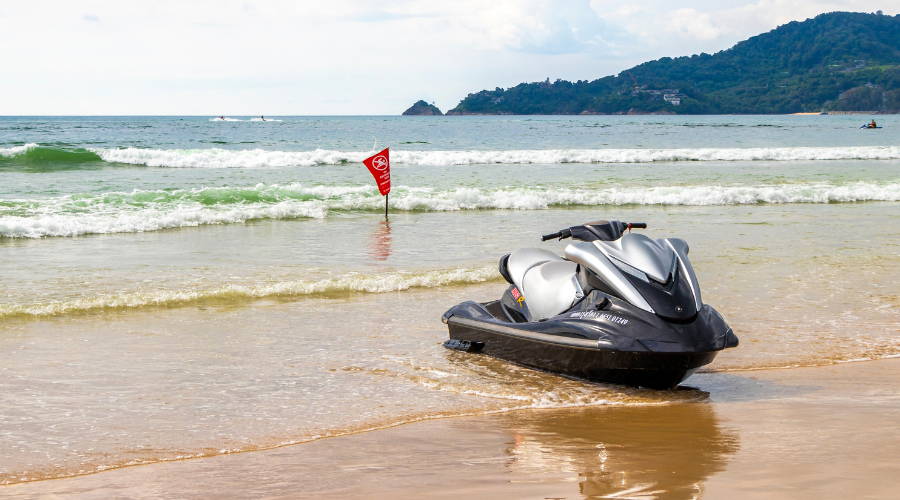
A little preparation today leads to endless fun tomorrow. By combining a mechanical tune-up with a comprehensive insurance review, you can head to the water with the peace of mind that you, your guests, and your equipment are fully protected.

Learn More about insurance coverage options from AAA.