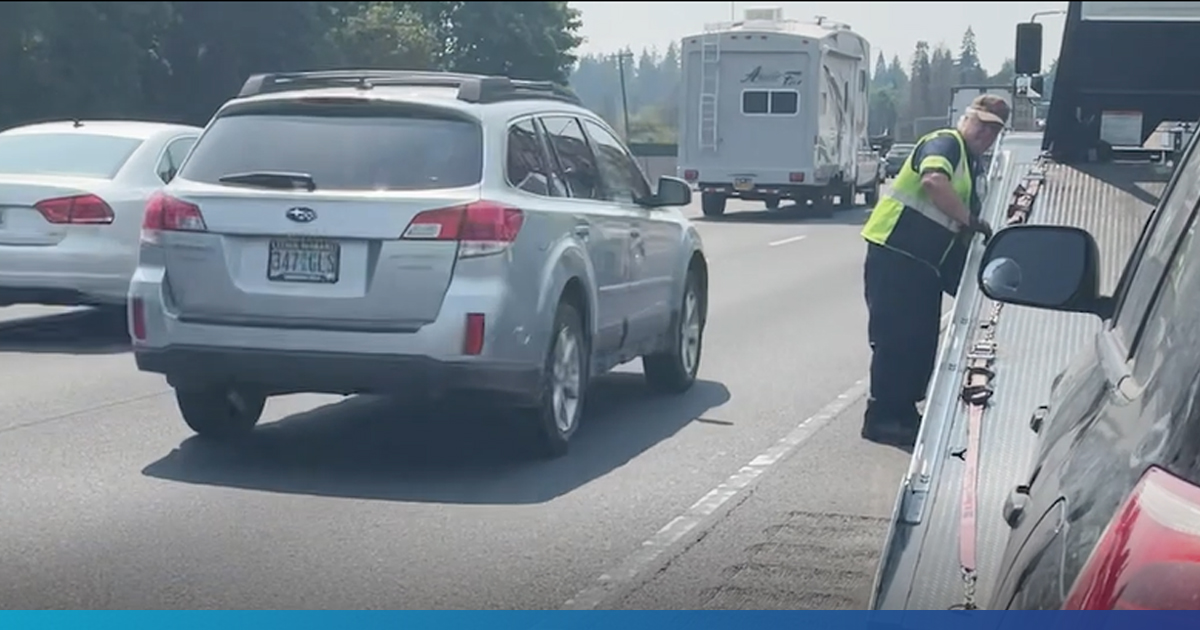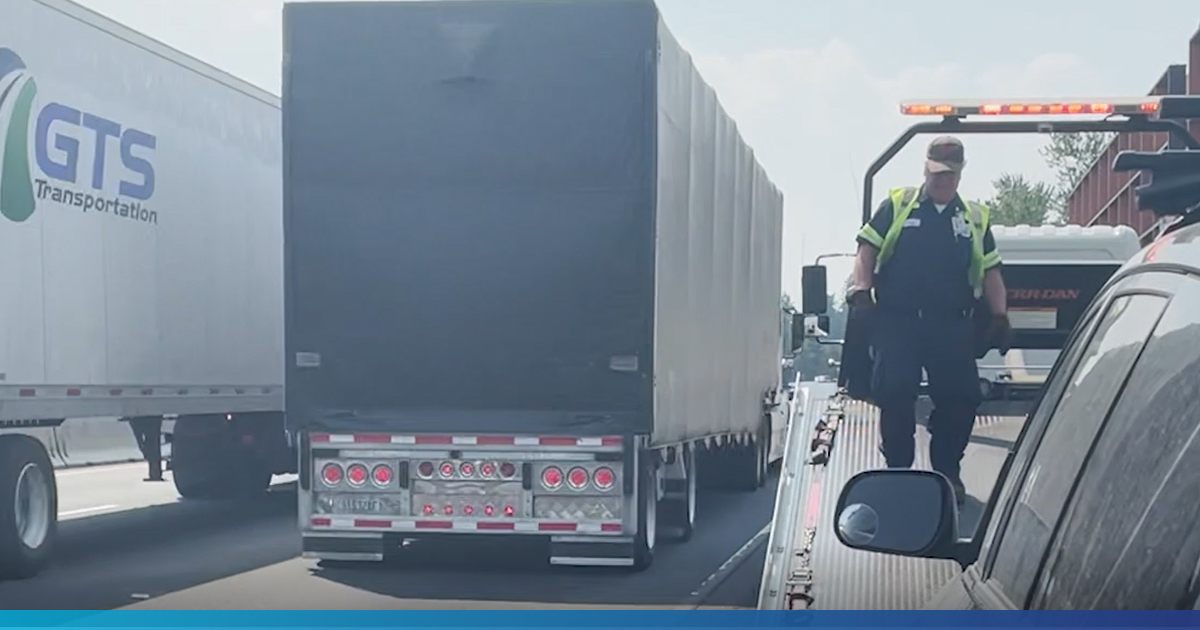

As the temperature rises, the call of the open road gets louder. Summer is prime time for family vacations, weekend getaways, and making memories. But more cars on the highway means an increased risk of breakdowns, flat tires, and accidents.
For the first responders, construction crews, and AAA roadside service technicians working hard to keep you moving, summer is also the most dangerous time of the year. That is why AAA is issuing a critical reminder to all drivers this season: Slow Down and Move Over. It is not just common courtesy; it is a life-saving law.
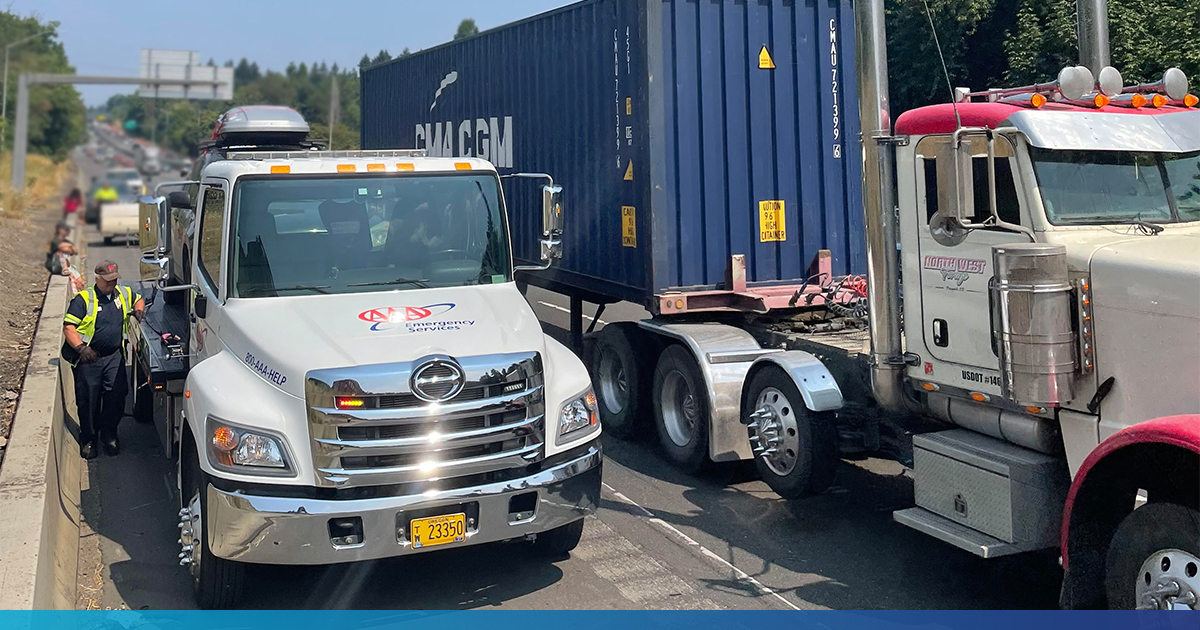
The Reality on the Shoulder
Every single day, emergency personnel put their lives on the line at the side of high-speed highways. On average, a tow truck operator is killed on the job every two weeks in the United States. When you add in law enforcement, emergency medical technicians, and transportation workers, that number skyrockets.
A roadside breakdown is stressful enough for a stranded motorist, but for the technician working inches away from traffic traveling at 65 miles per hour or faster, the shoulder of the highway is an incredibly perilous office.
Why Summer Ups the Ante
The danger spikes significantly during the summer months due to a perfect storm of road conditions and driver behavior:
- Unprecedented Traffic Volume: Summer brings a massive influx of road trippers, recreational vehicles, and drivers who may be completely unfamiliar with local highways and exits.
- The “Vacation Brain” Distraction: Drivers on vacation are often navigating unfamiliar routes, checking GPS maps, wrangling excited kids in the backseat, or simply letting their minds wander. A split second of distraction is all it takes to drift onto the shoulder.
- Increased Roadside Failures: Extreme summer heat wreaks havoc on vehicles. AAA sees a massive surge in summer calls for battery failures, overheated engines, and tire blowouts caused by scorching pavement. More breakdowns mean more flashing amber lights on the shoulder.
- A Rise in Impaired Driving: With summer holidays, backyard barbecues, and warm-weather festivals, there is a statistical increase in late-night and alcohol-impaired driving, dramatically reducing reaction times.
- Who is covered: Every state’s law protects standard emergency responders like police, fire, and ambulance crews. However, only certain states extend those protections to tow trucks, highway maintenance vehicles, utility crews, or even everyday disabled civilian vehicles with their hazard lights on.
- The speed drop: In states where moving over is required on multi-lane highways, if you cannot move over safely, you must slow down. Some states vaguely require you to slow to a “reasonable and prudent speed,” while others are incredibly strict. For instance, several states legally require you to drop your speed to 20 mph below the posted limit.
- The penalties: Violating these laws carries heavy penalties that range from a standard traffic ticket to thousands of dollars in fines, license suspension, or even jail time depending on the state and whether an accident was caused.
Because these rules shift the moment you cross state lines, the safest habit on any road trip is always the same: if you see flashing lights or hazards of any kind ahead on the shoulder, immediately signal, safely move over one lane, and ease off the gas.
How You Can Protect Roadside Heroes
Abiding by the law is simple, and it adds virtually no time to your trip. When you see flashing lights ahead on the shoulder—whether they are red, blue, or amber—commit to these steps:
- Scan Ahead: Keep your eyes down the road to spot flashing lights early.
- Move Over: Safely change lanes away from the stationary vehicle, creating a full buffer lane of empty space between your car and the people on the shoulder.
- Slow Down: If traffic or road conditions prevent you from safely changing lanes, ease off the gas and slow down to a speed that is significantly lower than the posted limit.
- Drop the Distractions: Put down the phone, pause the conversation, and focus entirely on the road until you are safely past the scene.
We all want to reach our summer destinations safely. Let’s make sure the people who rescue us when things go wrong can go home to their families at the end of their shift, too.
The next time you see a tow truck or emergency vehicle on the side of the road, please give them room to work. Slow down, move over, and save a life.