

As a homeowner, your backyard is your sanctuary. It is where you relax, host barbecues, and watch your family play. However, from an insurance and legal perspective, that same sanctuary might contain what is known as an attractive nuisance.
Understanding this concept is vital for protecting both the neighborhood children and your financial well-being.
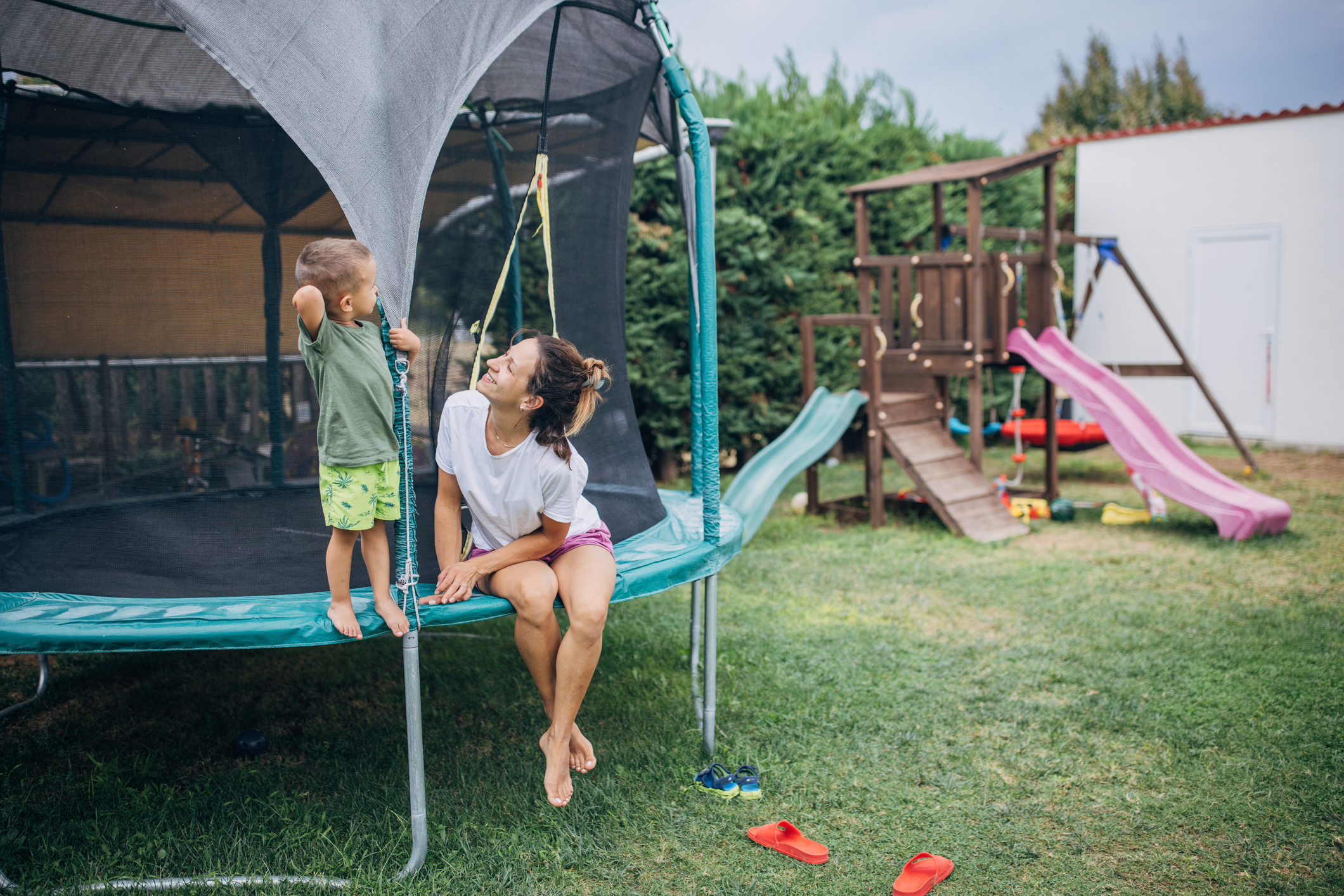
What Exactly Is an Attractive Nuisance?
The “Attractive Nuisance Doctrine” is a legal principle that holds homeowners liable for injuries to children who trespass on their property if the injury is caused by an object or condition that is likely to attract them.
Unlike adults, children are legally presumed to be unable to fully comprehend the risks associated with certain hazards. If a child wanders onto your property to investigate a sparkling pool or a towering playset and gets hurt, the “they were trespassing” defense rarely holds up in court.
Common examples include:
-
Swimming Pools and Hot Tubs: The most frequent and high-risk examples.
-
Trampolines: High potential for falls and collisions.
-
Construction Projects: Piles of lumber, open pits, or heavy machinery.
-
Play Structures: Treehouses, high-end swing sets, or skate ramps.
-
Abandoned Items: Old refrigerators, cars, or even large piles of sand or dirt.
How to Protect Your Property (and Your Neighbors)
Taking proactive steps to secure these hazards is not just about being a good neighbor; it is about risk mitigation.
Secure the Perimeter
A fence is your first line of defense. Most local ordinances and insurance providers require a fence of at least four to five feet in height around pools. Ensure gates are self-closing and self-latching, with latches placed high enough to be out of a child’s reach.
Use Safety Covers and Alarms
For pools and hot tubs, a sturdy, weight-bearing safety cover is essential. Additionally, pool alarms that sound when the surface of the water is broken can provide an extra layer of notification if someone enters the water unsupervised.
Proper Equipment Maintenance
If you have a trampoline, ensure it is surrounded by a safety net and that the springs are fully padded. When play equipment is not in use, consider removing ladders or locking up any moving parts that could be dangerous to an unsupervised child.
The Role of Liability Insurance
Despite your best efforts, accidents can still happen. This is where your homeowner’s insurance policy becomes your most important safety net.
Note: Standard policies typically include personal liability coverage, which helps pay for legal defense fees and medical bills if you are found responsible for an injury on your property.
Review Your Coverage Limits
Because attractive nuisances can lead to significant legal claims, many homeowners choose to increase their liability limits beyond the standard $100,000 or $300,000.
Consider an Umbrella Policy
For those with high-risk items like pools or trampolines, an Umbrella Policy is often a smart move. It provides an additional layer of liability protection (usually starting at $1 million) that kicks in after your primary homeowner’s limits are exhausted.