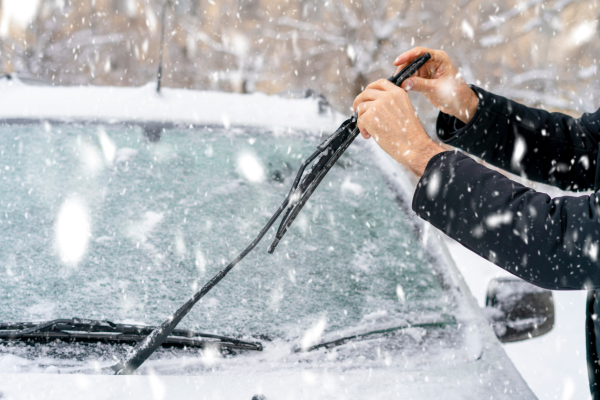

Windshield wiper winter weather do’s and don’ts
Article written by Kyle Marra
The following do’s and don’ts will help you navigate cold weather wiper scenarios so that you are prepared to act when the snow falls.
Don’ts
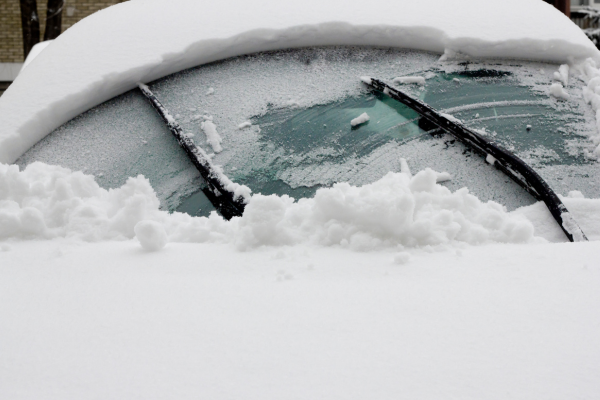
- Don’t use your wipers to clear snow buildup from your windshield. If you walk out to a blanket of snow on your windshield, your wipers are likely frozen to the glass. Turning them on could ruin the blades or damage the motor and linkages. Wipers aren’t designed to handle the resistance caused by ice or the weight of snow piles. Use a scraper or brush instead.
- Don’t try to pull frozen wipers free. Yanking on frozen wipers can cause significant damage, such as ripping the rubber, bending the frames or destroying the wiper joints. Even if you manage to pull them free, they won’t work effectively until the ice is removed from the windshield.
- Don’t pour hot water on your windshield to free frozen blades. While it might seem like a quick fix, pouring hot water on a frozen windshield can cause the glass to crack due to the rapid temperature change. Instead, use winter-grade washer fluid or a commercial deicer to break up the ice safely.
- Don’t run your wipers over a frozen windshield. Running wipers over ice can chip away at the rubber, reducing their effectiveness and shortening their lifespan. Always clear the ice before using your wipers.
Do’s
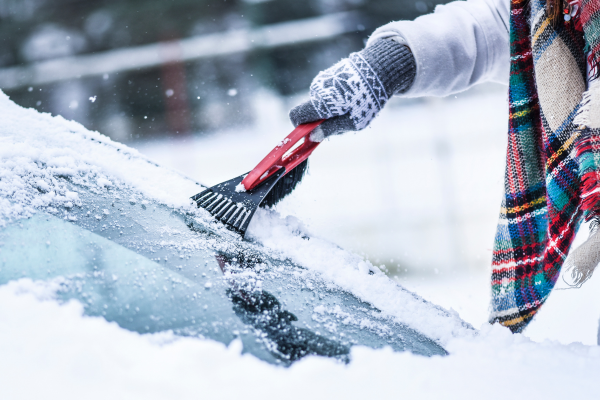
- Do start your vehicle and use the defroster to break up the ice buildup. Your defroster is your best friend in winter. Let it run until the ice begins to melt, then use a scraper to clear the windshield. Be patient; rushing this process can lead to damage.
- Do use a scraper with the defroster. Once the ice has softened, use a scraper to remove it. Avoid using your wipers to clear the ice, as this can damage the blades.
- Do cover your windshield when snow is expected. Prevent snow and ice buildup by covering your windshield and wipers with a blanket or a dedicated windshield cover. This simple step can save you time and effort in the morning.
- Do use deicer in your washer fluid reservoir. Summer washer fluid can freeze in the tank, leaving you without a way to clear frost or light ice. Switch to a winter-grade washer fluid with deicer to ensure it remains functional in freezing temperatures.
- Do replace any wiper blades that leave streaks. Streaking is a sign that your wiper blades are worn or damaged. Replace them promptly to maintain clear visibility during winter storms.
Additional Tip: Should you life your wipers?
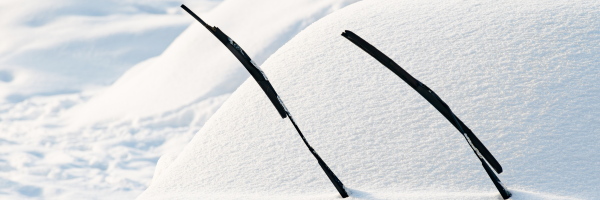
Some people lift their wiper blades away from the windshield when snow is expected. While this can prevent the blades from sticking to the glass, it won’t stop the rubber from icing over.
To protect the blades, consider covering them with long socks, plastic bags secured with rubber bands, a Styrofoam pool noodle (cut to length of your wiper) or even plastic wrap. This added layer of protection can save you time and hassle.
Winter Wiper Blades
These rugged, season-specific blades are more durable than summer blades and are made of robust materials that are more effective against ice and freezing. Key components include:
- Synthetic covering – A flexible covering protects critical components of your wipers from ice and snow.
- Sub–zero rubber – Made from a synthetic compound that keeps it from freezing in below-zero temperatures, allowing the wipers to clear windshields in blustery winter conditions.
They might not eliminate all your cold weather headaches, but winter wiper blades will definitely reduce a few. Don’t wait for your rubber to get stuck to the glass to make the change. Properly maintaining your windshield wipers and taking preventative measures will help you avoid costly damage to your wipers–or worse, your windshield. With a clear head, a clear windshield and functioning wipers, you’ll be ready to face winter roads with confidence. AAA members can save on winter wiper blades at AAA Approved Auto Repair Shops or at NAPA Auto Parts.